

Thought
Pieces
Essays and analyses on AI infrastructure, technology strategy, and Africa's role in the Fourth Industrial Revolution.

Renting the Cloud Isn't the Risk. Not Knowing Your Exposure Is. | As Featured in Nairametrics
Three companies control more than 60% of global cloud spend. Here's why that concentration should worry every African AI founder renting compute, and every investor backing them.

Africa's Data Centre Race Isn't Being Won in Boardrooms. It's Being Won on the Grid. | As Featured in ThisDay
Nigeria has 13 to 14 gigawatts of installed power capacity. On most days, only 4 to 6 gigawatts of it is actually available. That gap, not the headlines, is deciding who wins Africa's data centre race.

Why Africa Can't Stay a Consumer of AI | As Featured in The Guardian Nigeria
We risk becoming permanently dependent, paying rent on intelligence instead of owning a share of it." Oluwaseyi Ayodeji on the six pillars of AI sovereignty, power, compute, chips, data, governance and talent, and why Africa can't afford to stay a spectator.

How AI Is Quietly Rewriting Malaria's Odds
610,000 dead in 2024. 95% in one region. AI hasn't cured malaria, but it's cut drug-discovery timelines from years to months, and African researchers are now building the tools themselves. A personal look at what's actually changing, and what isn't yet.
No Permission Required
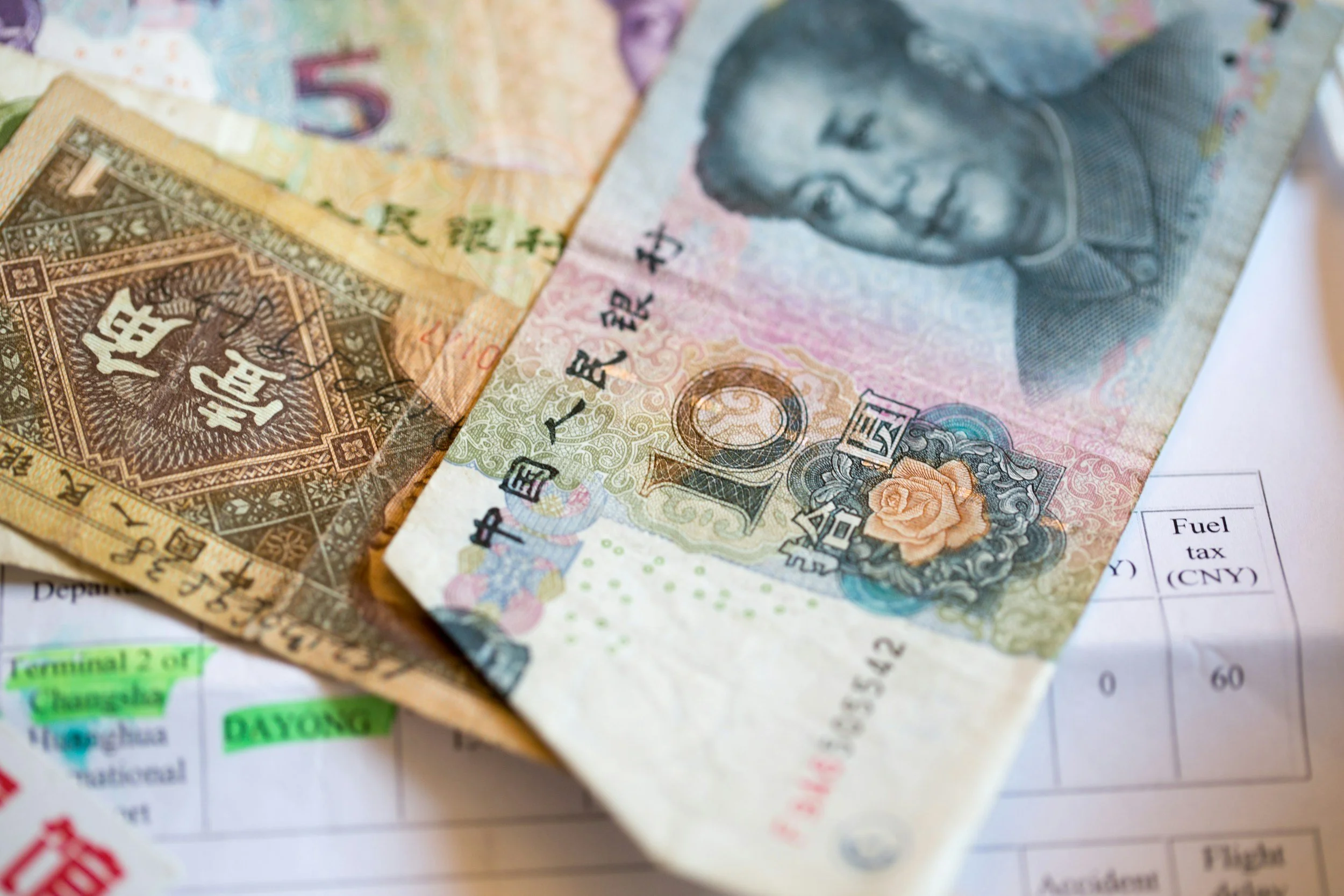
No investor pitch. No bond rating. No roadshow. China's 15th Five-Year Plan is funding a nationwide AI data center buildout because the state decided to, not because a lender said yes. Part 3 closes Money in the AI Ecosystem: what that speed actually costs, and what, if anything, it offers Africa.

The Quiet Trillion
$570 billion. That's the debt quietly financing AI's physical buildout in 2026, nearly four times last year's pace, much of it structured to never touch a hyperscaler's own balance sheet. Africa isn't short of the capital to do something similar. It's short of the plumbing. Part 2 of Money in the AI Ecosystem breaks down both.
The 43 Percent Problem
Two companies just took 43 percent of every venture dollar invested worldwide, in six months. Africa's entire startup ecosystem raised less in a year than that in a week. Part 1 of Money in the AI Ecosystem looks at what venture capital's concentration actually costs, and proposes two ways Africa can build something better than what it's copying.

Follow the Money
Two companies just absorbed 43 percent of all global startup funding on the planet. Meanwhile, Africa holds 18 percent of the world's population and less than 1 percent of its data center capacity. This is the opening piece in a new three-part series tracing how money actually moves in the AI ecosystem, in venture capital, infrastructure debt, and state funding, and what Africa needs to build instead of copying.

Who's Grading AI's Homework? Nobody, Yet.
No one independently checks a frontier AI lab's safety claims the way regulators check a bank's books - yet. I break down what's missing, why the Big Four are quietly racing to fill that gap, and why Nigeria's 1956 oil discovery at Oloibiri is the clearest warning Africa has about governing transformative resources too late.

The Chip That Built the World (And Why Africa Needs to Own a Piece of the Next One)
One Dutch company controls 100% of the machines that make advanced AI chips. One Taiwanese company manufactures 71% of the world's semiconductors. And the materials for the next generation of chips - gallium from bauxite - sit largely in African soil. The question is whether Africa captures any of the value.
The Stack Sovereignty Test: Why Compute Is the Infrastructure Africa Cannot Afford to Outsource
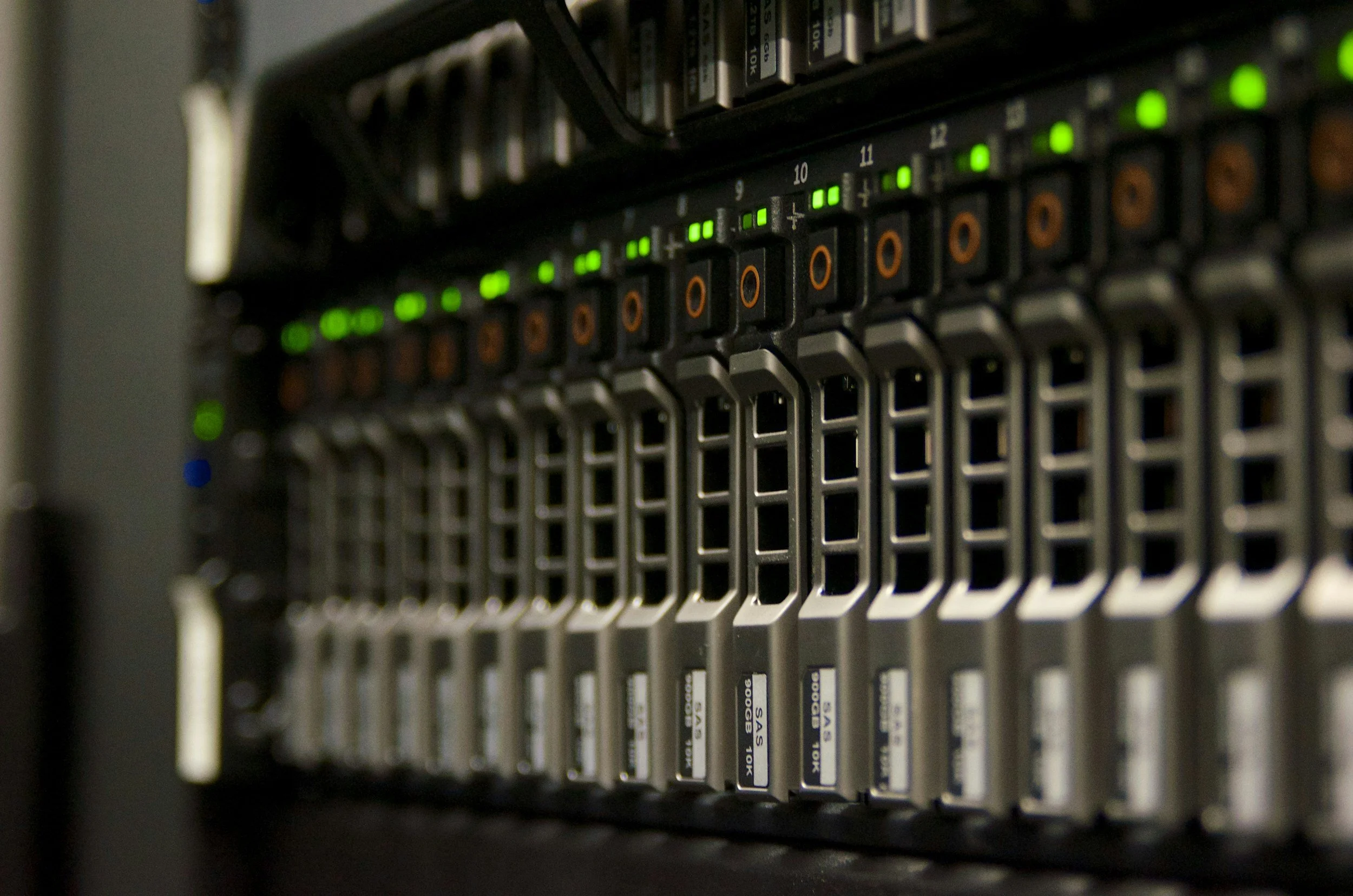
Africa generates the AI queries. Africa pays the bandwidth bills. But the servers doing the thinking sit in Amsterdam, Virginia, and Singapore. The Stack Sovereignty Test turns to its second pillar - Compute - and asks the question that determines everything else: who owns the machines that think for you?
The Stack Sovereignty Test: Why Talent Is Africa's Most Urgent AI Variable
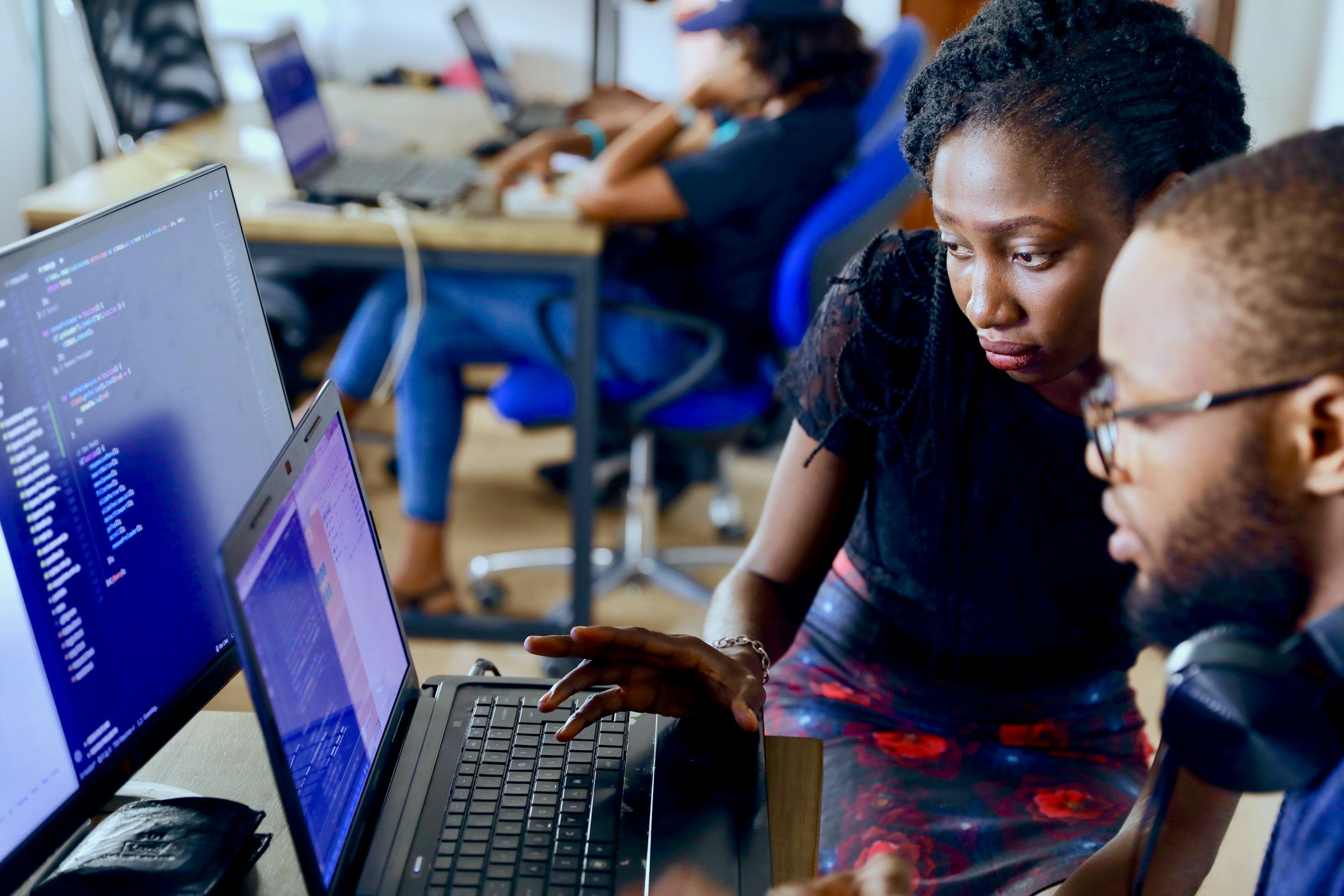
Africa is producing more AI-capable graduates than ever. And losing more of that capacity than it can afford. The Stack Sovereignty Test reveals why talent isn't just one of five pillars - it's the variable that determines whether all the others can be built. The window is open. It will not stay that way.