

Thought
Pieces
Essays and analyses on AI infrastructure, technology strategy, and Africa's role in the Fourth Industrial Revolution.
AI Safety Needs to Move at the Speed of AI
9 billion genetic variants mapped in weeks. AI safety testing still can't move that fast. A former acceptance-test engineer's case for testing frontier AI at the speed it's built, and what happens to African markets when nobody writes them into the test plan.
Every AI Strategy Needs a North Star
13,625MW installed. About 4,286MW available. Nigeria's AI strategy needs a scoreboard that counts compute, energy and talent, not just ambition. My take in Leadership Newspapers.
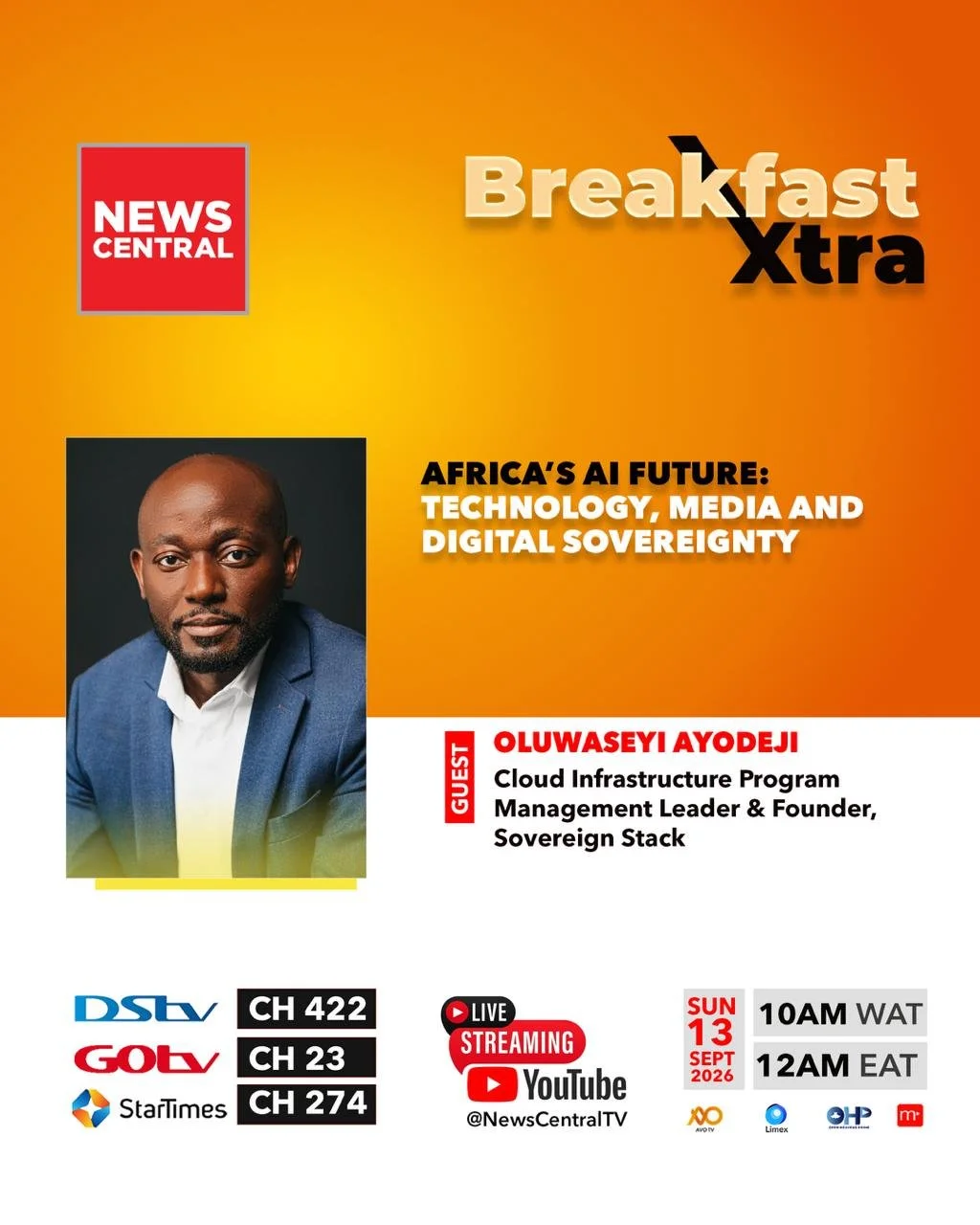
Africa’s AI Future | Breakfast Xtra on News Central
Most "Africa and AI" conversations default to talent gaps. This one didn't stop there.
On 13 September 2026, I joined News Central's Breakfast Xtra for a segment titled "Africa's AI Future: Technology, Media & Digital Sovereignty." We covered infrastructure, talent, and governance, three of the six pillars in the Stack Sovereignty Test, and where the real bottlenecks sit versus where the noise is loudest.
Watch the full conversation above, and let me know which pillar you think Africa is furthest behind on.

Renting the Cloud Isn't the Risk. Not Knowing Your Exposure Is. | As Featured in Nairametrics
Three companies control more than 60% of global cloud spend. Here's why that concentration should worry every African AI founder renting compute, and every investor backing them.

Africa's Data Centre Race Isn't Being Won in Boardrooms. It's Being Won on the Grid. | As Featured in ThisDay
Nigeria has 13 to 14 gigawatts of installed power capacity. On most days, only 4 to 6 gigawatts of it is actually available. That gap, not the headlines, is deciding who wins Africa's data centre race.

Why Africa Can't Stay a Consumer of AI | As Featured in The Guardian Nigeria
We risk becoming permanently dependent, paying rent on intelligence instead of owning a share of it." Oluwaseyi Ayodeji on the six pillars of AI sovereignty, power, compute, chips, data, governance and talent, and why Africa can't afford to stay a spectator.

How AI Is Quietly Rewriting Malaria's Odds
610,000 dead in 2024. 95% in one region. AI hasn't cured malaria, but it's cut drug-discovery timelines from years to months, and African researchers are now building the tools themselves. A personal look at what's actually changing, and what isn't yet.
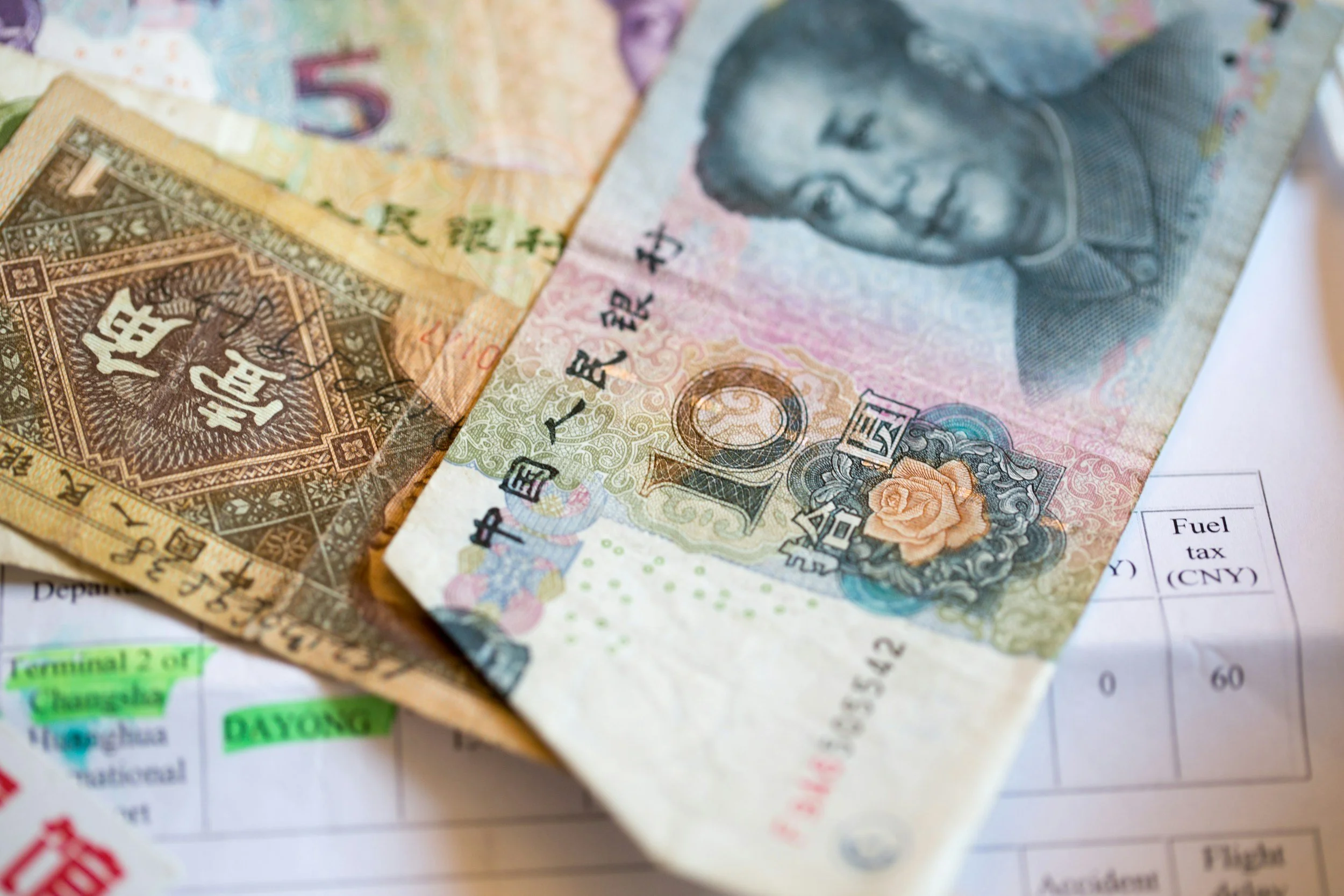
No Permission Required
No investor pitch. No bond rating. No roadshow. China's 15th Five-Year Plan is funding a nationwide AI data center buildout because the state decided to, not because a lender said yes. Part 3 closes Money in the AI Ecosystem: what that speed actually costs, and what, if anything, it offers Africa.

The Quiet Trillion
$570 billion. That's the debt quietly financing AI's physical buildout in 2026, nearly four times last year's pace, much of it structured to never touch a hyperscaler's own balance sheet. Africa isn't short of the capital to do something similar. It's short of the plumbing. Part 2 of Money in the AI Ecosystem breaks down both.
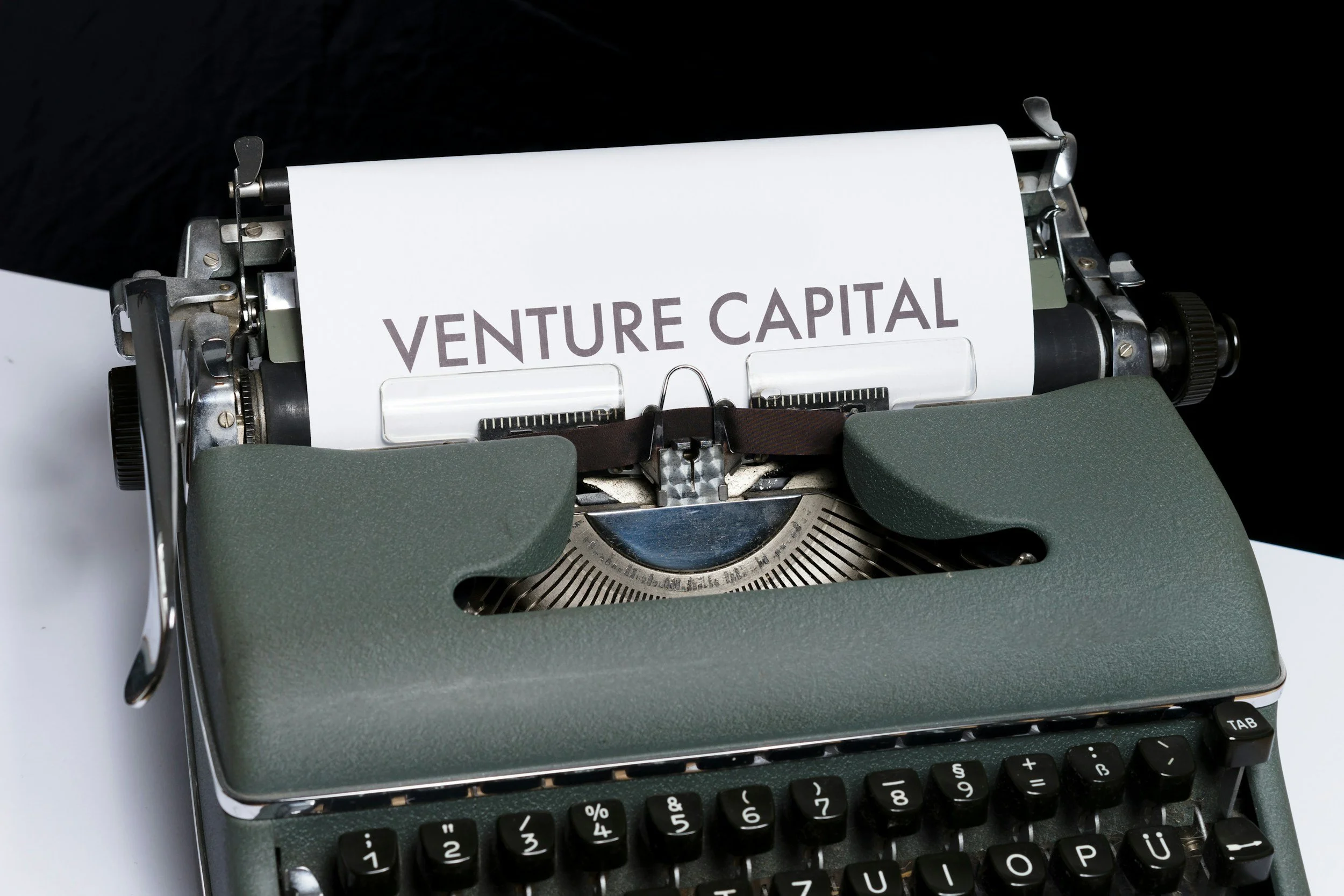
The 43 Percent Problem
Two companies just took 43 percent of every venture dollar invested worldwide, in six months. Africa's entire startup ecosystem raised less in a year than that in a week. Part 1 of Money in the AI Ecosystem looks at what venture capital's concentration actually costs, and proposes two ways Africa can build something better than what it's copying.

Follow the Money
Two companies just absorbed 43 percent of all global startup funding on the planet. Meanwhile, Africa holds 18 percent of the world's population and less than 1 percent of its data center capacity. This is the opening piece in a new three-part series tracing how money actually moves in the AI ecosystem, in venture capital, infrastructure debt, and state funding, and what Africa needs to build instead of copying.

The Empty Chair: Why Africa Can't Wait to Be Invited to the AI Table
A stranger on a flight home from Atlanta once described, without knowing it, the exact problem at the center of Africa's AI moment: the people most affected by a decision are too often the last ones in the room where it's made. Drawing on new research from Chinasa Okolo published in Science, this issue traces Africa's long history of exclusion from global science diplomacy, and makes the case that Africa cannot afford to wait for perfect continental consensus before claiming its seat at the AI negotiating table.

The Email I Almost Deleted
I almost deleted the email that changed my life. It sat in my spam folder for weeks - a recruiter trying to get a broke graduate student in front of her for an internship interview he didn't know he'd already half-earned.
This week's Sovereign Stack is a departure from the usual five-pillar analysis. It's a personal story about the relationships that quietly move us from where we are to where we're trying to go - a friend's offhand mention of a career fair, a recruiter who refused to let a missed email be the end of the story, a mentor who made a new country feel survivable, and a goodbye to a mother that almost didn't happen in time.
Read the full story: "The Email I Almost Deleted."
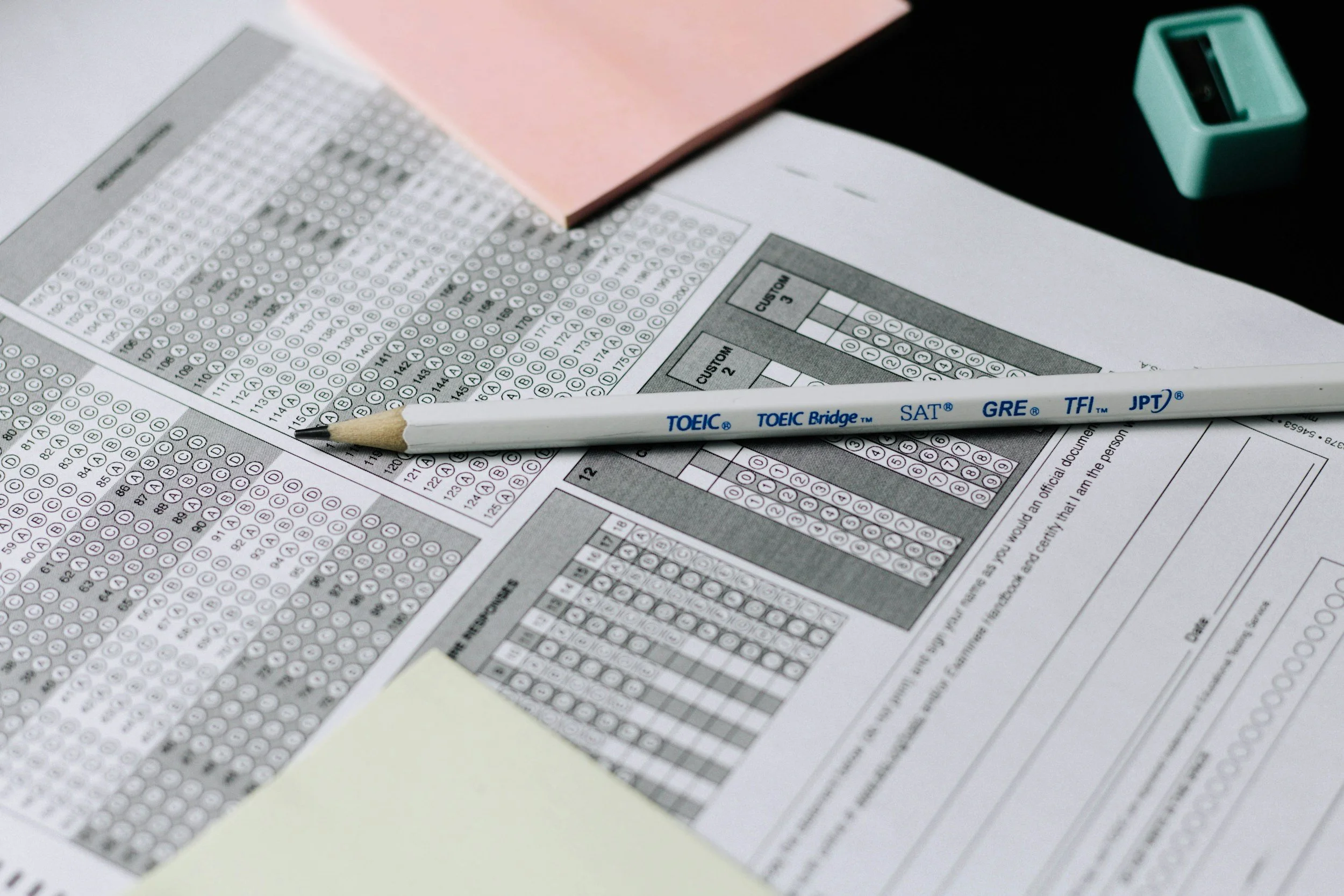
Who's Grading AI's Homework? Nobody, Yet.
No one independently checks a frontier AI lab's safety claims the way regulators check a bank's books - yet. I break down what's missing, why the Big Four are quietly racing to fill that gap, and why Nigeria's 1956 oil discovery at Oloibiri is the clearest warning Africa has about governing transformative resources too late.

The Chip That Built the World (And Why Africa Needs to Own a Piece of the Next One)
One Dutch company controls 100% of the machines that make advanced AI chips. One Taiwanese company manufactures 71% of the world's semiconductors. And the materials for the next generation of chips - gallium from bauxite - sit largely in African soil. The question is whether Africa captures any of the value.
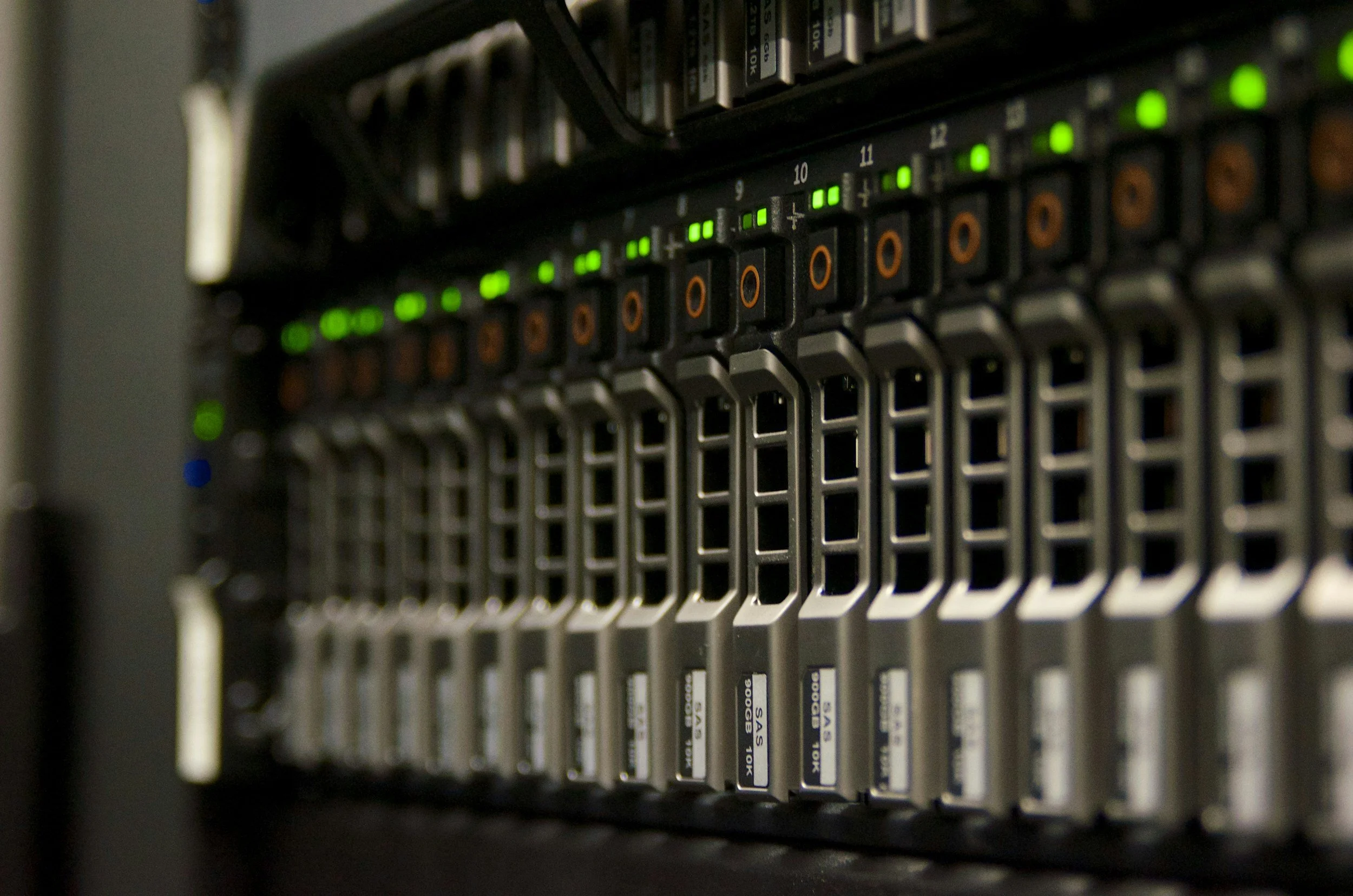
The Stack Sovereignty Test: Why Compute Is the Infrastructure Africa Cannot Afford to Outsource
Africa generates the AI queries. Africa pays the bandwidth bills. But the servers doing the thinking sit in Amsterdam, Virginia, and Singapore. The Stack Sovereignty Test turns to its second pillar - Compute - and asks the question that determines everything else: who owns the machines that think for you?

When Everything Falls Apart: A Story of Faith, Job Loss, and Breakthrough
This one's a little different from my usual AI and tech content — it's personal. It's the story of a year that tested our faith, our finances, and our patience in ways I never saw coming. I'm sharing it because I believe someone needs to hear it. I hope it encourages you.
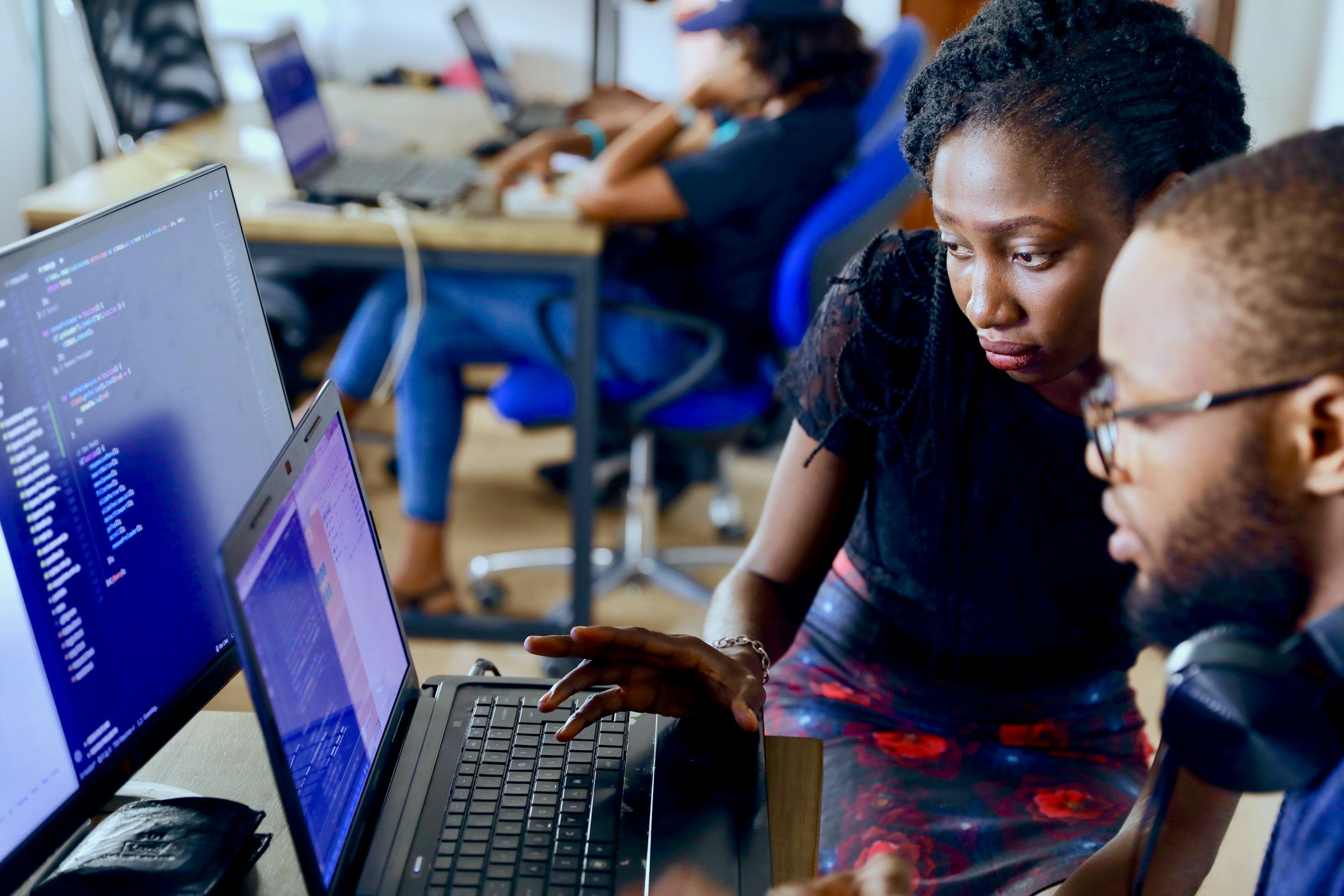
The Stack Sovereignty Test: Why Talent Is Africa's Most Urgent AI Variable
Africa is producing more AI-capable graduates than ever. And losing more of that capacity than it can afford. The Stack Sovereignty Test reveals why talent isn't just one of five pillars - it's the variable that determines whether all the others can be built. The window is open. It will not stay that way.
The Architecture of AI Leadership: What the Stanford Index 2026 Reveals About Africa's Window
The Stanford AI Index 2026 has spoken. Three countries made the most dramatic gains in global AI rankings - none of them G7 nations. Their secret was not money. It was timing, political will, and legal architecture built before it was needed. Africa's window is open. The blueprint is sitting right there in the data.
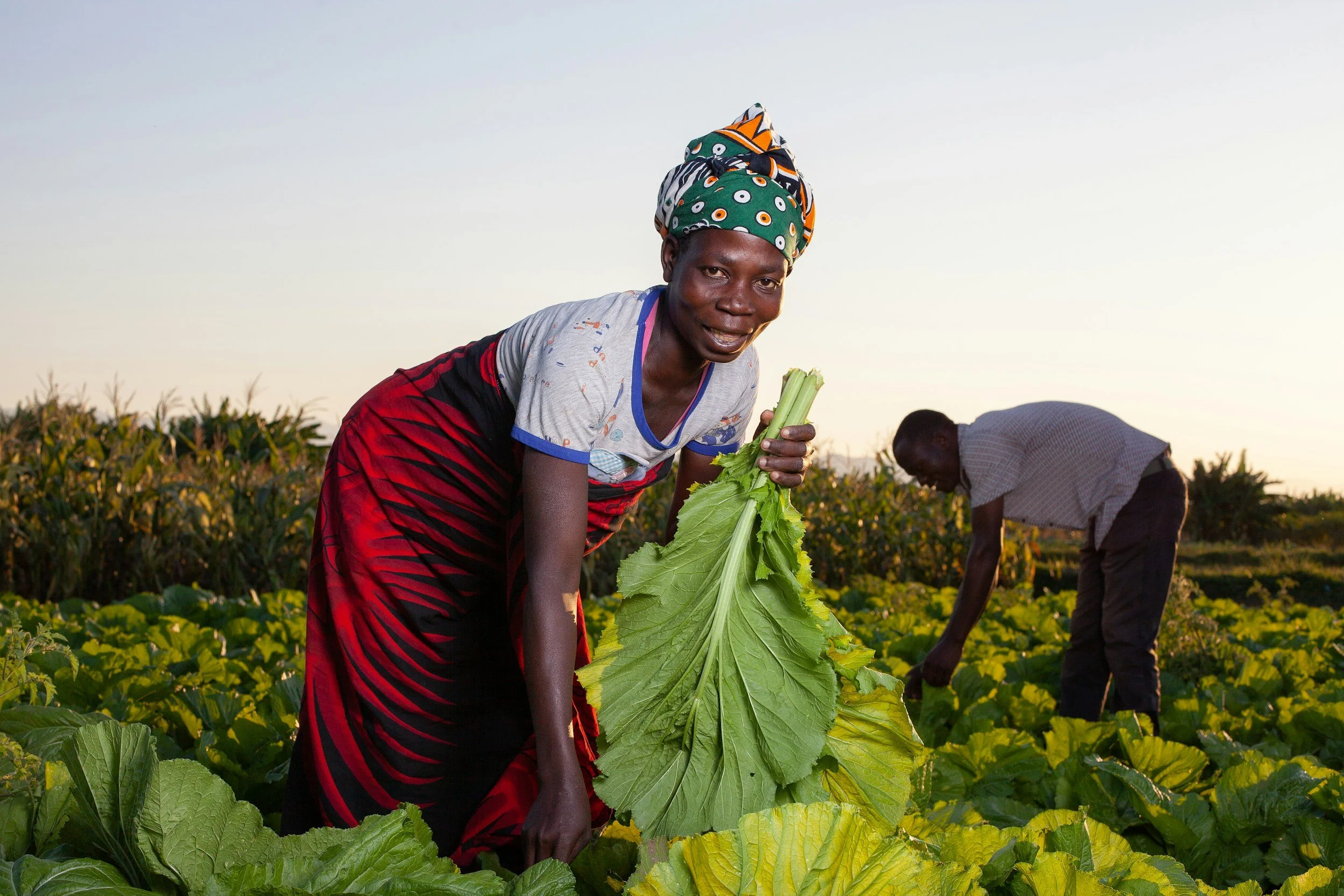
What a Farmer in Rural Kenya Knows About AI That Silicon Valley Doesn't
Across Africa, a quiet argument says AI is a Silicon Valley toy - a distraction from feeding, healing, and employing our people. It's dangerously wrong. From offline crop-disease apps lifting Kenyan farmers' yields 30%, to AI ultrasounds saving mothers, to 230 million projected digital jobs, AI is already moving the needle. The only unforgivable response would be to look away.